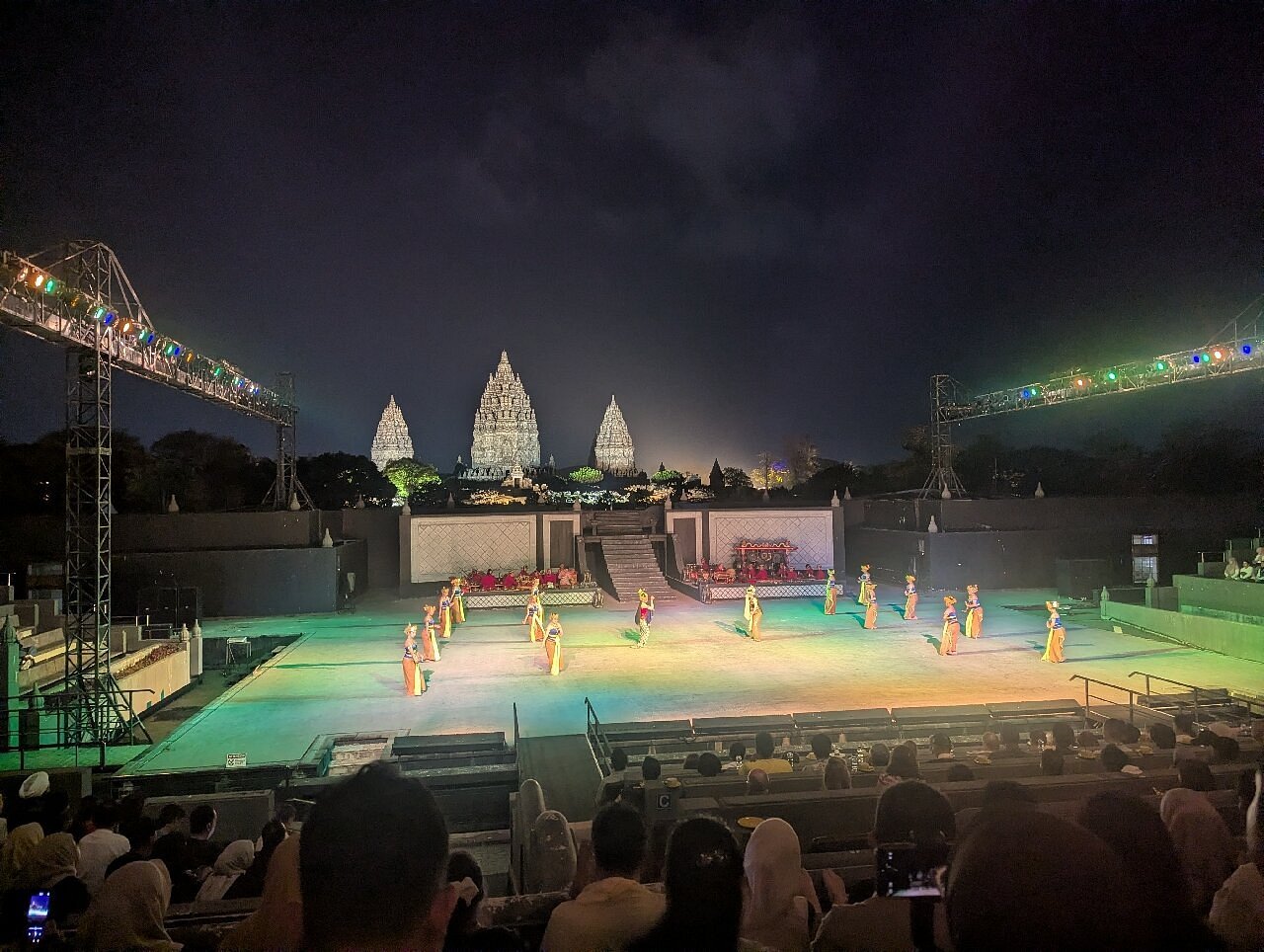
A Timeless Epic Under the Javanese Sky
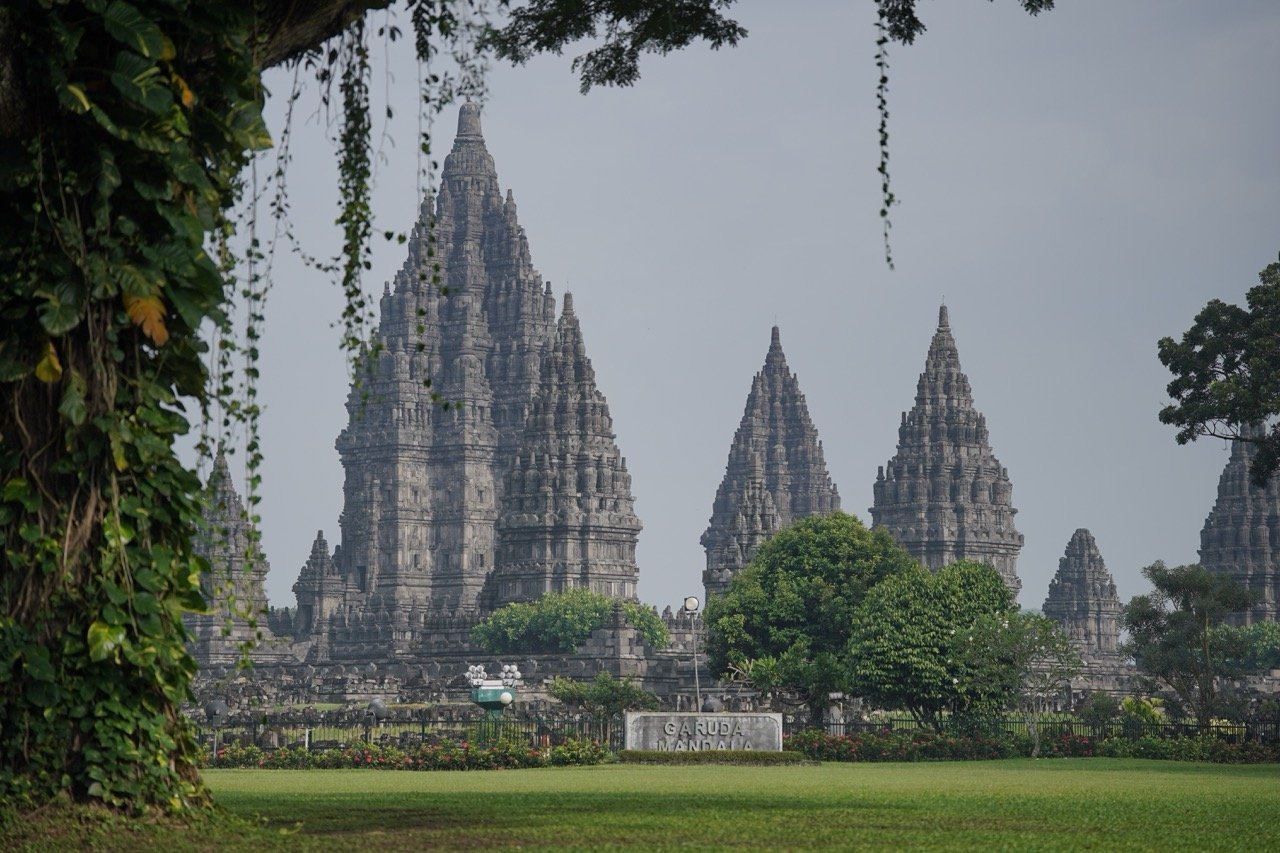
There are few cultural experiences in Southeast Asia that can match the sheer spectacle of the Ramayana Ballet Prambanan. Imagine sitting in an open-air amphitheatre as the sun sets behind three towering stone spires, the air filled with the metallic, hypnotic resonance of a live gamelan orchestra, while over 200 dancers and musicians bring one of the world’s oldest epics to life without a single spoken word. This is not merely a performance — it is a cultural pilgrimage, a journey into the heart of Java’s artistic soul, and an evening that has captivated audiences for over six decades.
The Ramayana Ballet is far more than a tourist attraction. It is a living tradition that has been performed since July 26, 1961, making it the oldest continuously running dance performance in Southeast Asia. Conceived by retired Lieutenant General GPH Djati Kusumo, the first performance involved 865 people, including costume designers, gamelan musicians, and dancers. Today, the performance continues to draw thousands of visitors annually, offering a window into the rich tapestry of Javanese culture, Hindu-Buddhist heritage, and the universal themes of love, loyalty, and the triumph of good over evil.
This comprehensive guide will walk you through everything you need to know about experiencing the Ramayana Ballet Prambanan in 2026 — from the epic story and performance schedule to ticket prices, seating strategies, and insider tips that will transform your visit from a simple outing into an unforgettable cultural immersion.
The Epic Story: The Ramayana in Four Acts
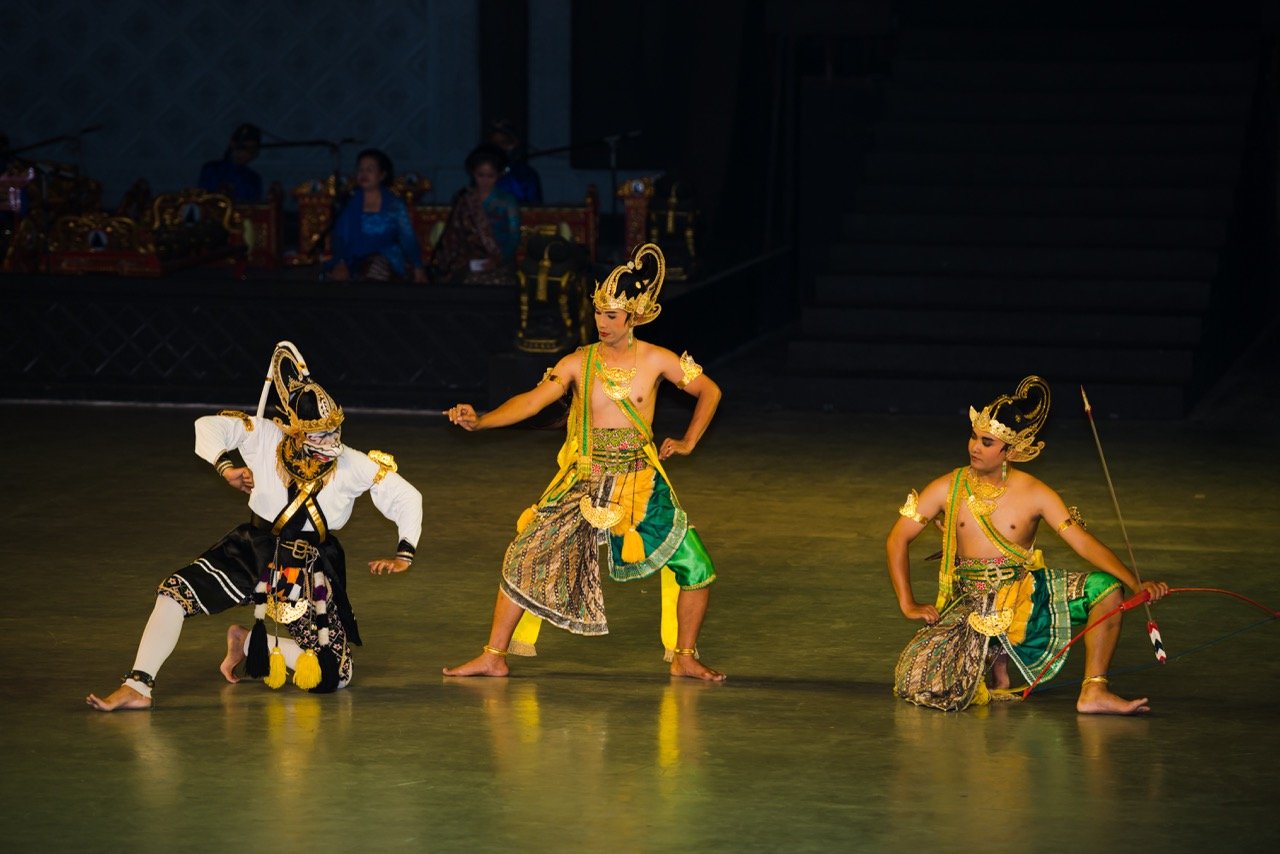
The Ramayana Ballet is a visualization of the ancient Hindu epic, the Ramayana, adapted to Javanese culture. The narrative is traditionally performed in four distinct episodes, each representing a pivotal chapter in the journey of Prince Rama and his beloved wife, Shinta. While the full performance runs for approximately two hours with a condensed narrative, the episodic version — performed on special occasions — offers a more detailed and immersive experience.
The Abduction of Dewi Sinta
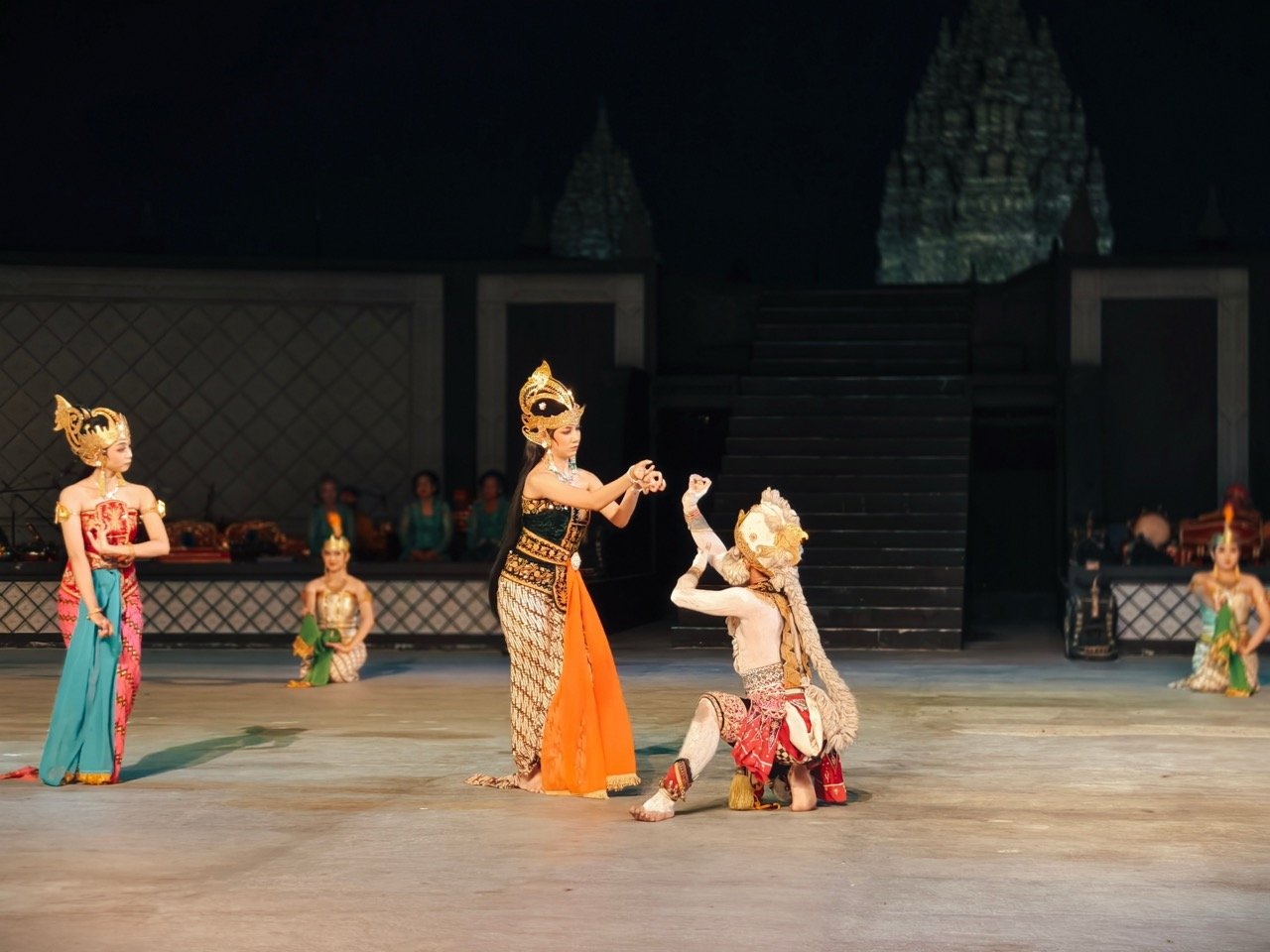
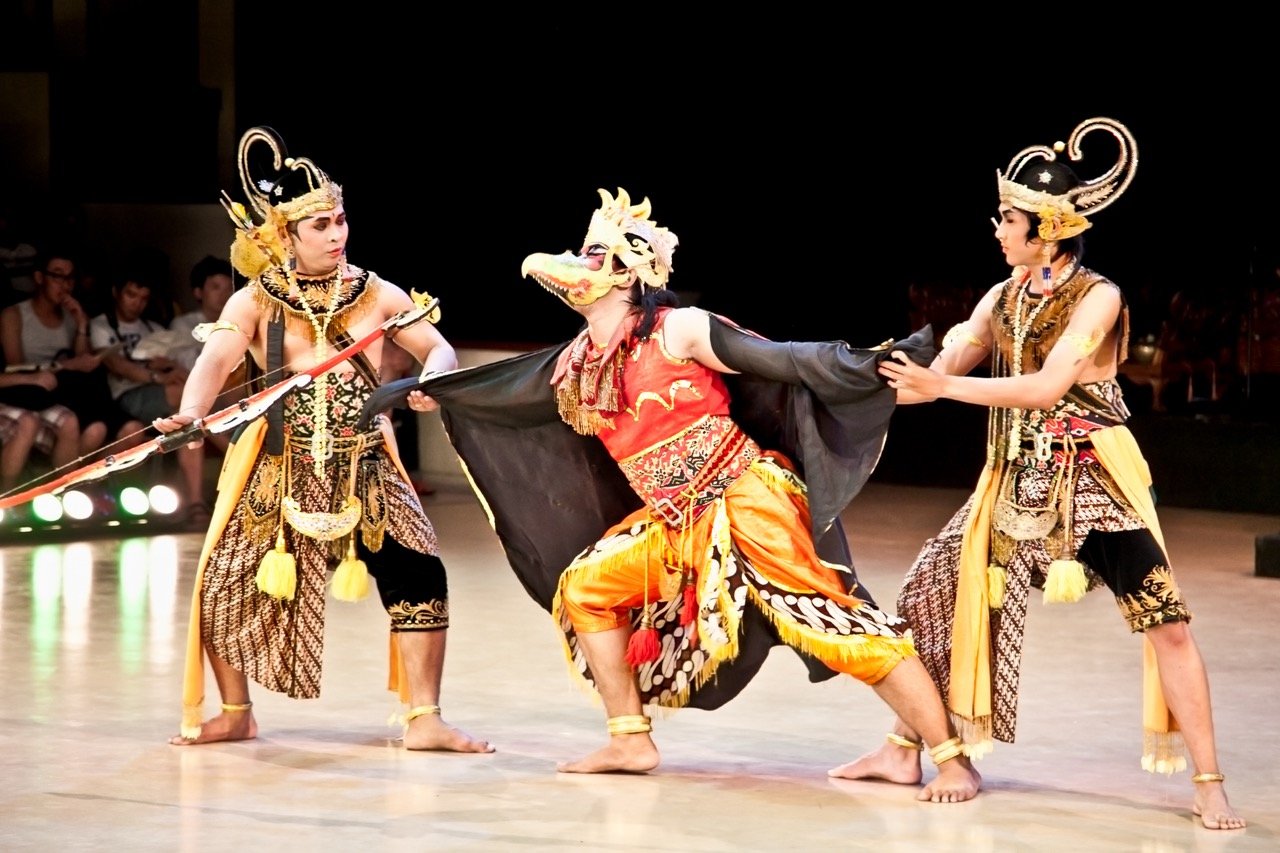
The story begins with Prince Rama of the Ayodhya Kingdom winning an archery competition to marry the beautiful Princess Shinta, the daughter of King Mantili. Their happiness, however, is short-lived. While wandering in the Dandaka Forest with Rama’s brother Laksmana, Shinta is kidnapped by the demon king Rahwana and taken to his kingdom of Alengka.
Hanuman on Fire
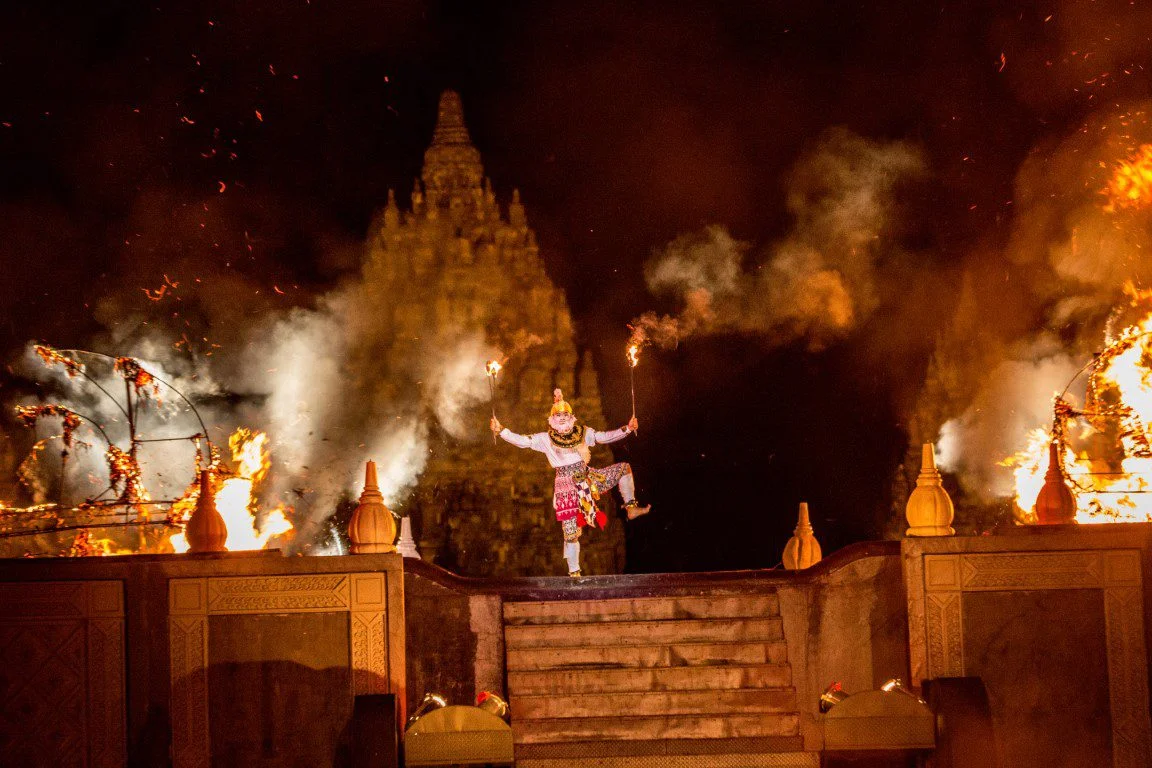
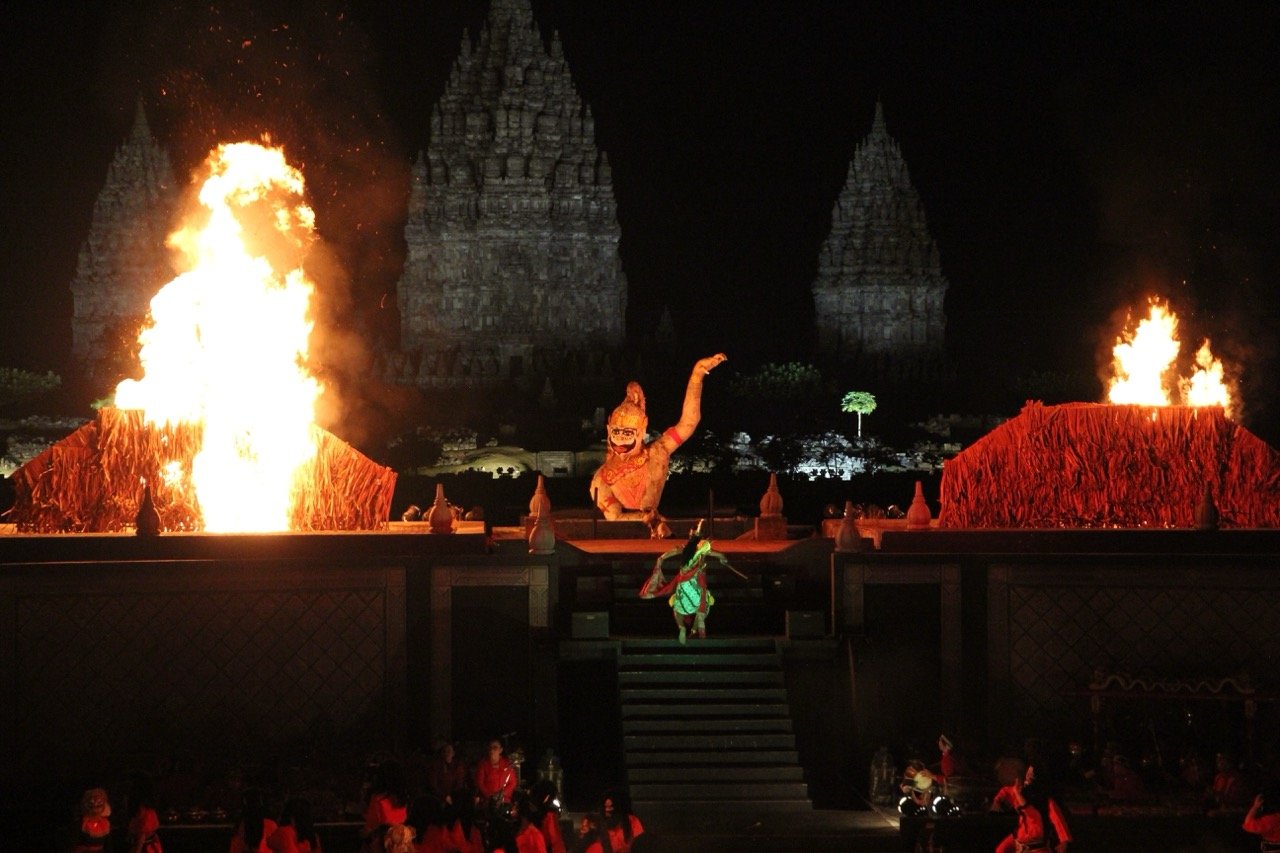
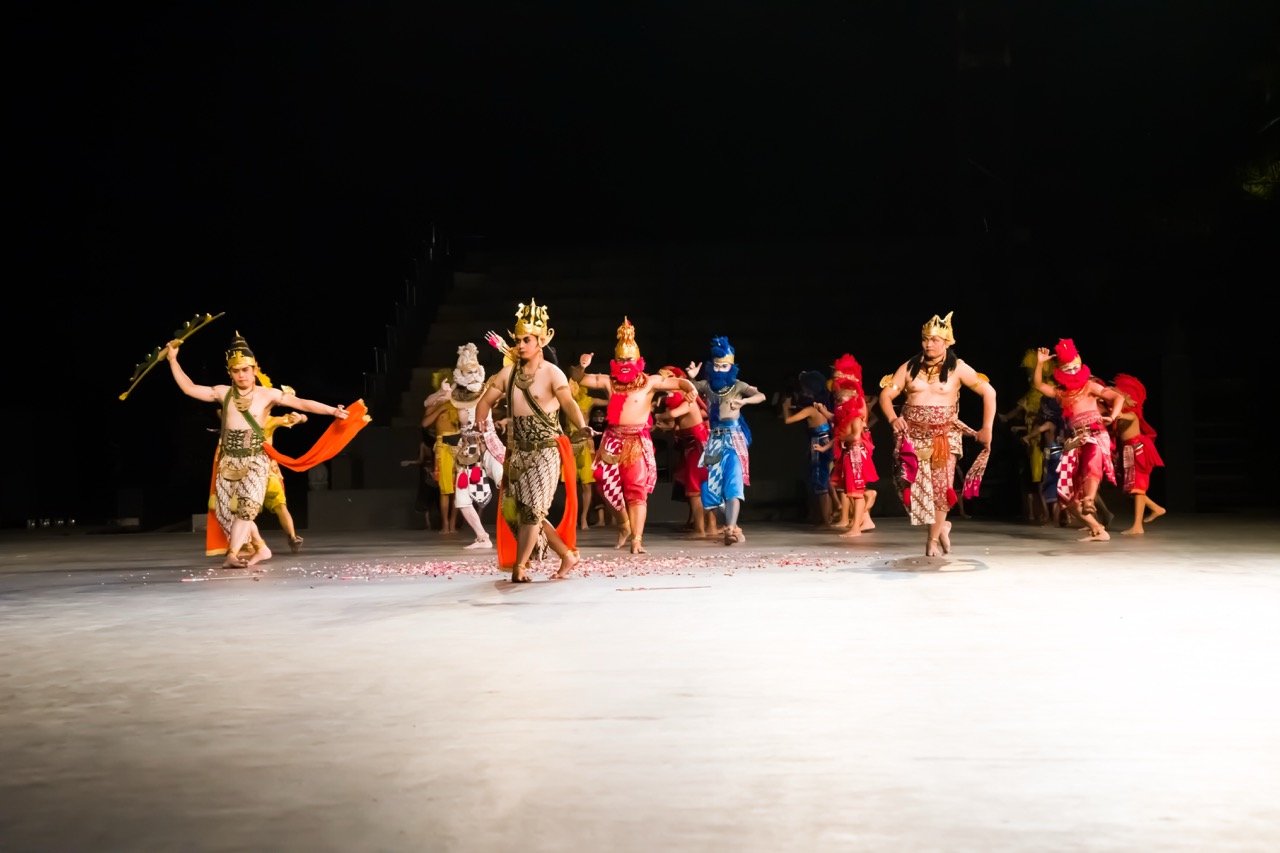
Devastated but determined, Rama forges an alliance with the monkey army and sends his loyal warrior Hanuman to find Shinta. Hanuman locates her imprisoned in Rahwana’s pleasure garden, delivers Rama’s ring as a token of hope, and is captured. In a dramatic escape, he sets the entire kingdom of Alengka ablaze with his fiery tail — a scene that remains one of the most visually spectacular moments in the performance.
The Death of Kumbakarna
The third episode depicts the fierce battle between Rama’s forces and Rahwana’s army, culminating in the death of Kumbakarna, Rahwana’s giant brother, who fights with extraordinary honor despite knowing the cause is unjust. His sacrifice on the battlefield is one of the most powerful scenes in the entire epic — a meditation on loyalty, duty, and the tragedy of war.
The Holy Fire of Dewi Sinta
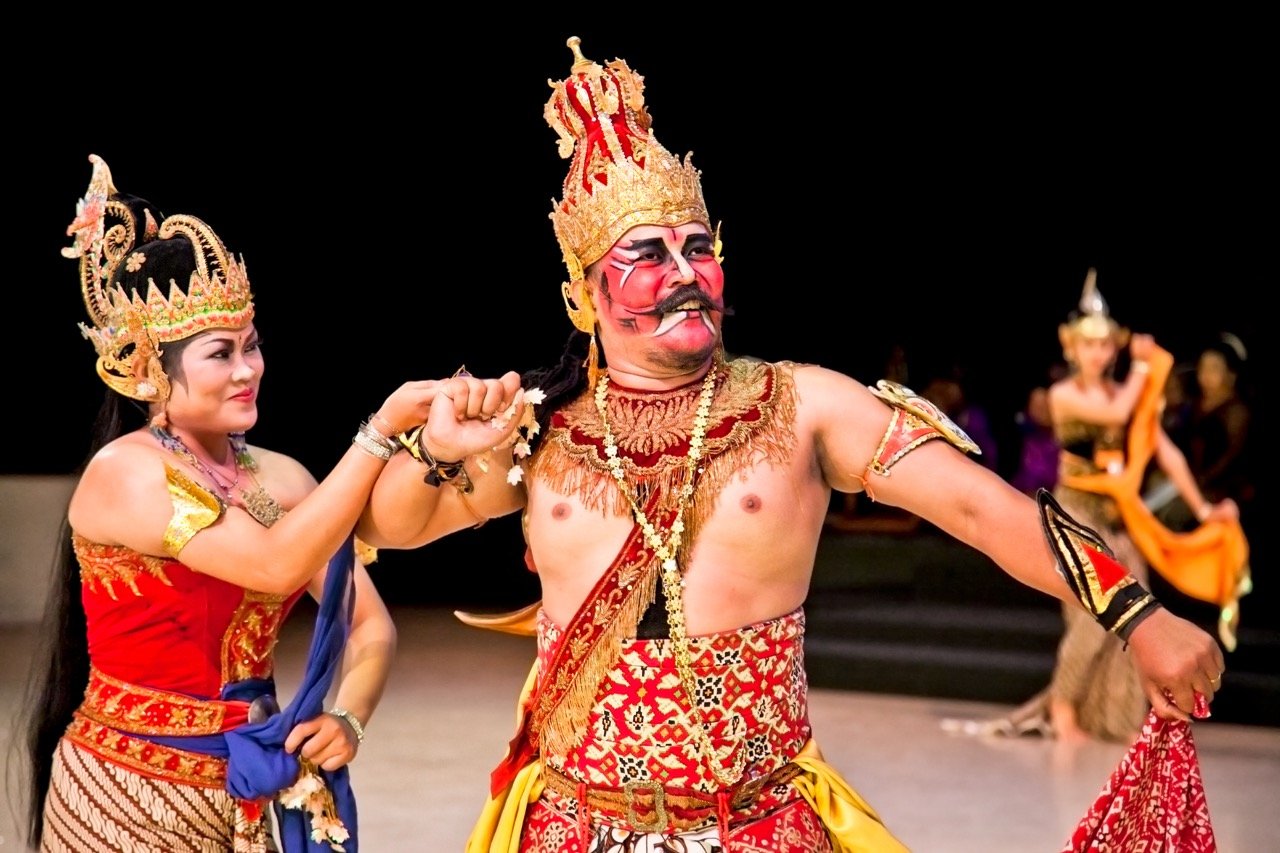
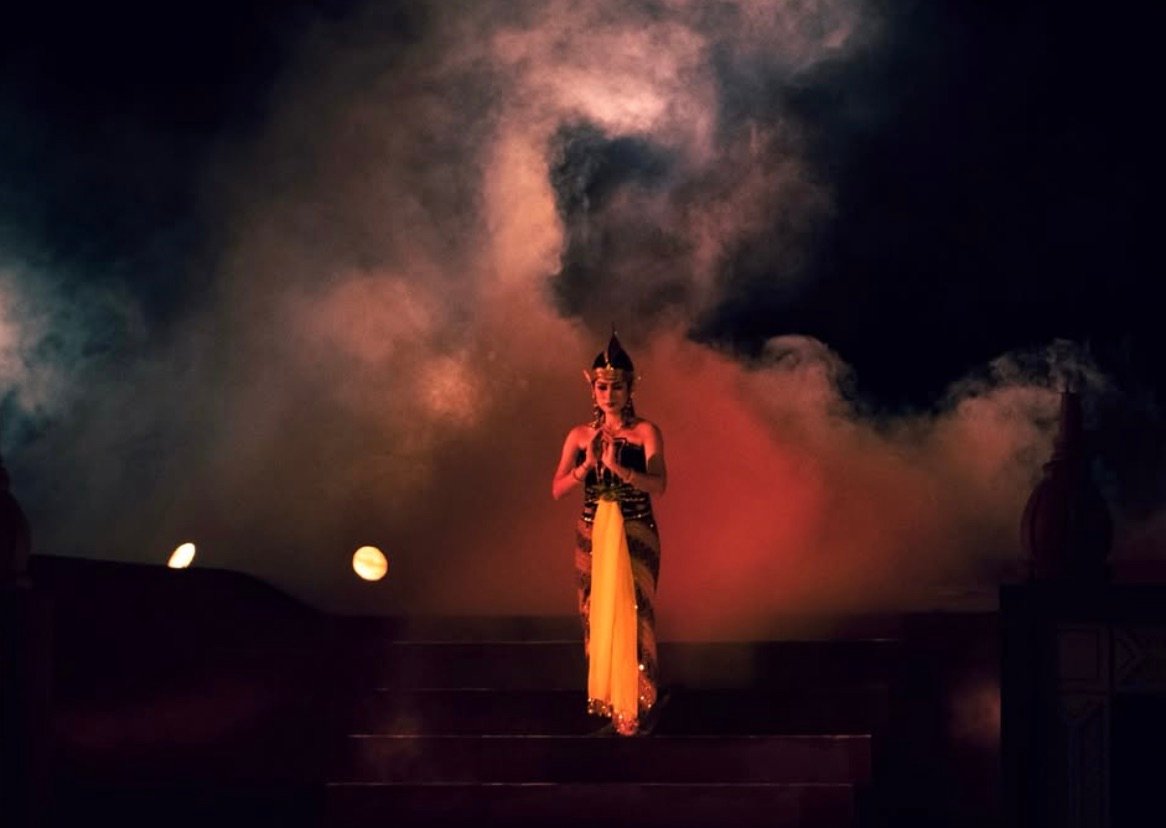
The final episode centers on the holy fire of Dewi Shinta. After Rahwana’s defeat, Rama doubts Shinta’s purity after years of captivity. To prove her innocence, Shinta walks through a blazing fire and emerges unharmed, leading to their emotional reunion. This powerful scene — known as Shinta Obong — is a testament to love, faith, and the triumph of truth over doubt, and is also performed as a standalone special show on Friday evenings.
💡 NO PRIOR KNOWLEDGE NEEDED
What makes this performance so accessible is that no prior knowledge of the story is required. The narrative unfolds entirely through dance, gesture, and music, with free printed synopses available in multiple languages — including English, French, German, Japanese, Korean, and Spanish.
Performance Schedule 2026: Outdoor and Indoor Seasons
One of the most important things to understand about the Ramayana Ballet is that the performance venue changes depending on the season. The experience you have will differ significantly depending on whether you attend during the dry season or the rainy season.
Outdoor Performances (May to October 2026)
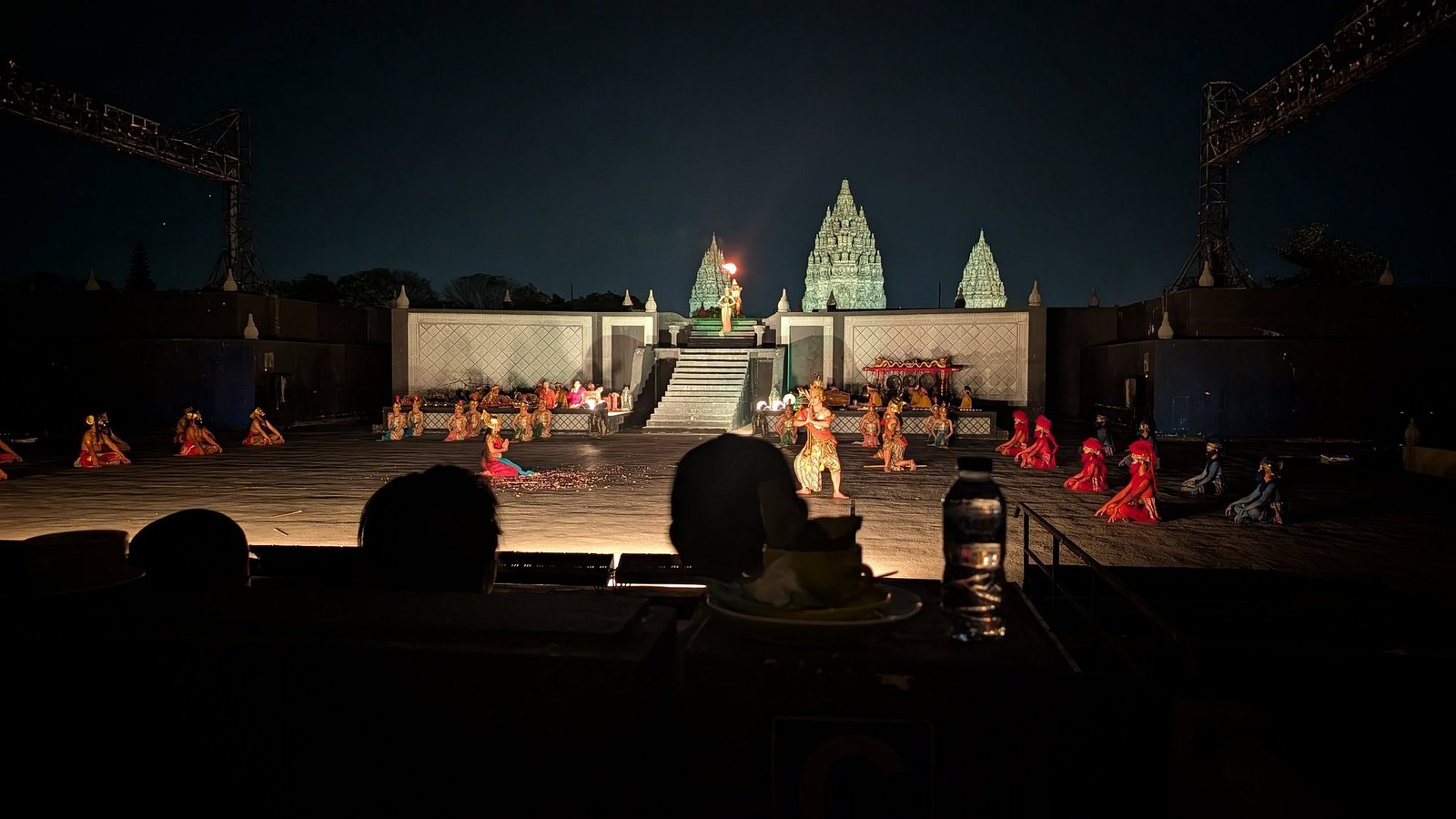
The premier Ramayana Ballet experience takes place at the Open Air Theatre, located on the west side of the Prambanan Temple complex. This is the setting that has made the performance famous worldwide — a massive outdoor amphitheatre with a total capacity of 1,138 seats, where the illuminated Prambanan Temple rises majestically behind the stage as the backdrop.
During the dry season, performances are held every Tuesday, Thursday, and Saturday, starting at 7:30 PM and concluding at approximately 9:00 PM. The outdoor performance features a live gamelan orchestra, creating an immersive soundscape that many visitors describe as vibrating in their chest.
⚠️ RAIN CONTINGENCY
If rain occurs before the performance starts, the show will be relocated to the indoor Trimurti Theatre. If rain occurs after 45 minutes of performance, the show is considered complete, and no refunds are issued.
Indoor Performances (January to April and November to December 2026)
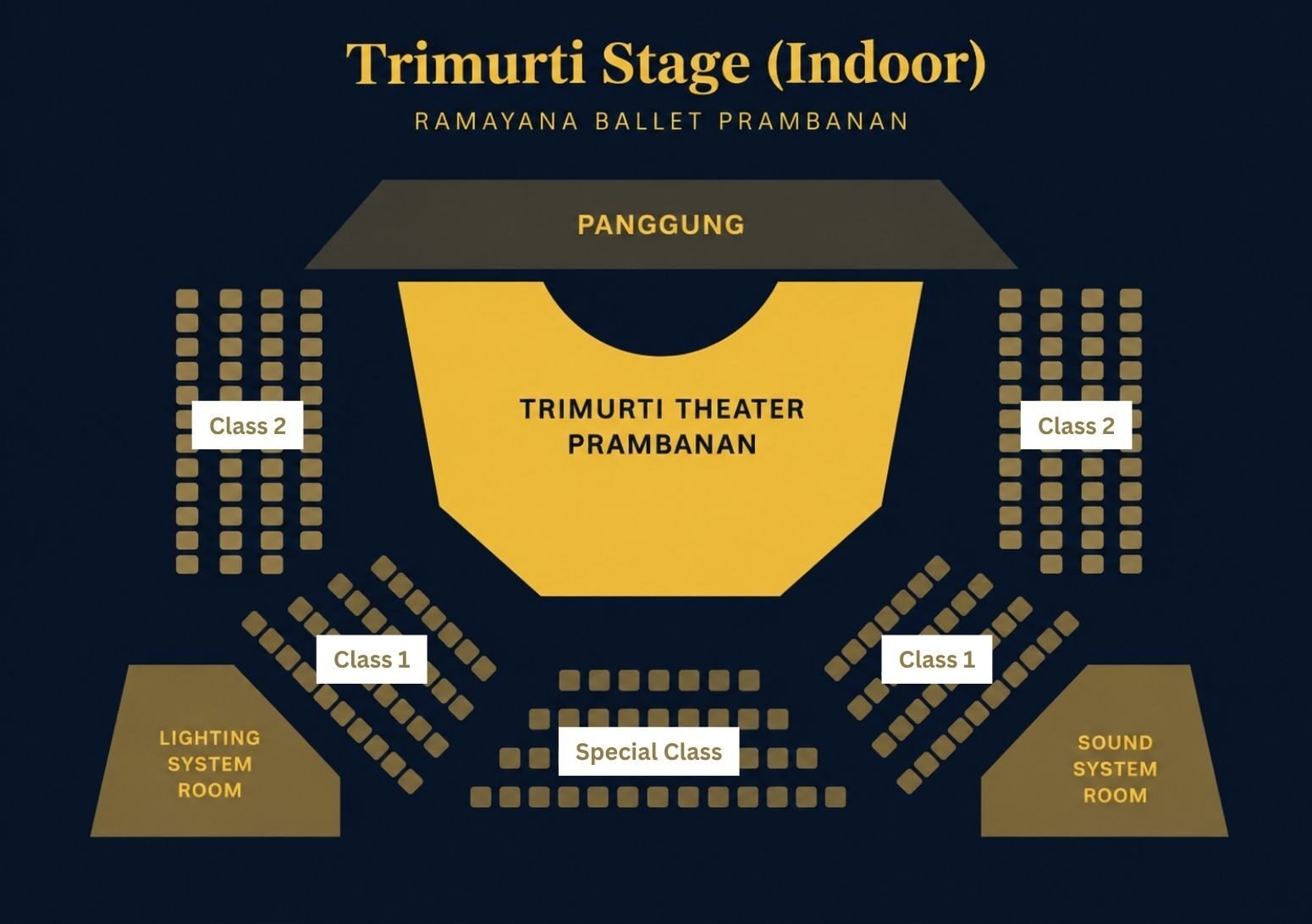
During the rainy season, the performance moves indoors to the fully equipped Trimurti Theatre, a cozy, air-conditioned venue with a capacity of 378 seats. While the indoor setting lacks the iconic temple backdrop, it offers a comfortable experience regardless of the weather outside.
The performance schedule remains the same — Tuesday, Thursday, and Saturday at 7:30 PM — and the full Ramayana story is still performed with the same level of artistry and professionalism.
Trimurti Indoor Theatre
During the rainy season, the performance moves indoors to the fully equipped Trimurti Theatre — ensuring a comfortable experience regardless of the weather.
Special Performances
Beyond the main Ramayana show, Prambanan offers unique evening experiences worth considering. The Legend of Roro Jonggrang is performed exclusively indoors at the Trimurti Theatre every Friday from 7:30 PM to 8:30 PM.
The Shinta Obong performance, which depicts the dramatic scene of Dewi Shinta walking through fire to prove her purity, is performed at the Prambanan Riverfront Amphitheatre every Friday.
Ticket Prices and Seat Classes 2026
Understanding the ticket options is essential for planning your visit, as the seating class you choose will significantly impact your viewing experience. The Ramayana Ballet Prambanan offers four classes of tickets during the outdoor season and three classes during the indoor season.
Outdoor Performance Ticket Prices
Standard
Rp 165.000 / person
Non-numbered seating, side view. Budget-friendly option with limited stage visibility.
Premium
Rp 220.000 / person
Non-numbered seating, angled view. Better than Class 2 but not optimal for the full backdrop.
Best Overall
Rp 385.000 / person
Numbered cushioned seating. Best view of both the stage and the Prambanan temple backdrop.
Closest to Stage
Rp 495.000 / person
Numbered cushioned seating, front rows. Includes soft drink + traditional snack.
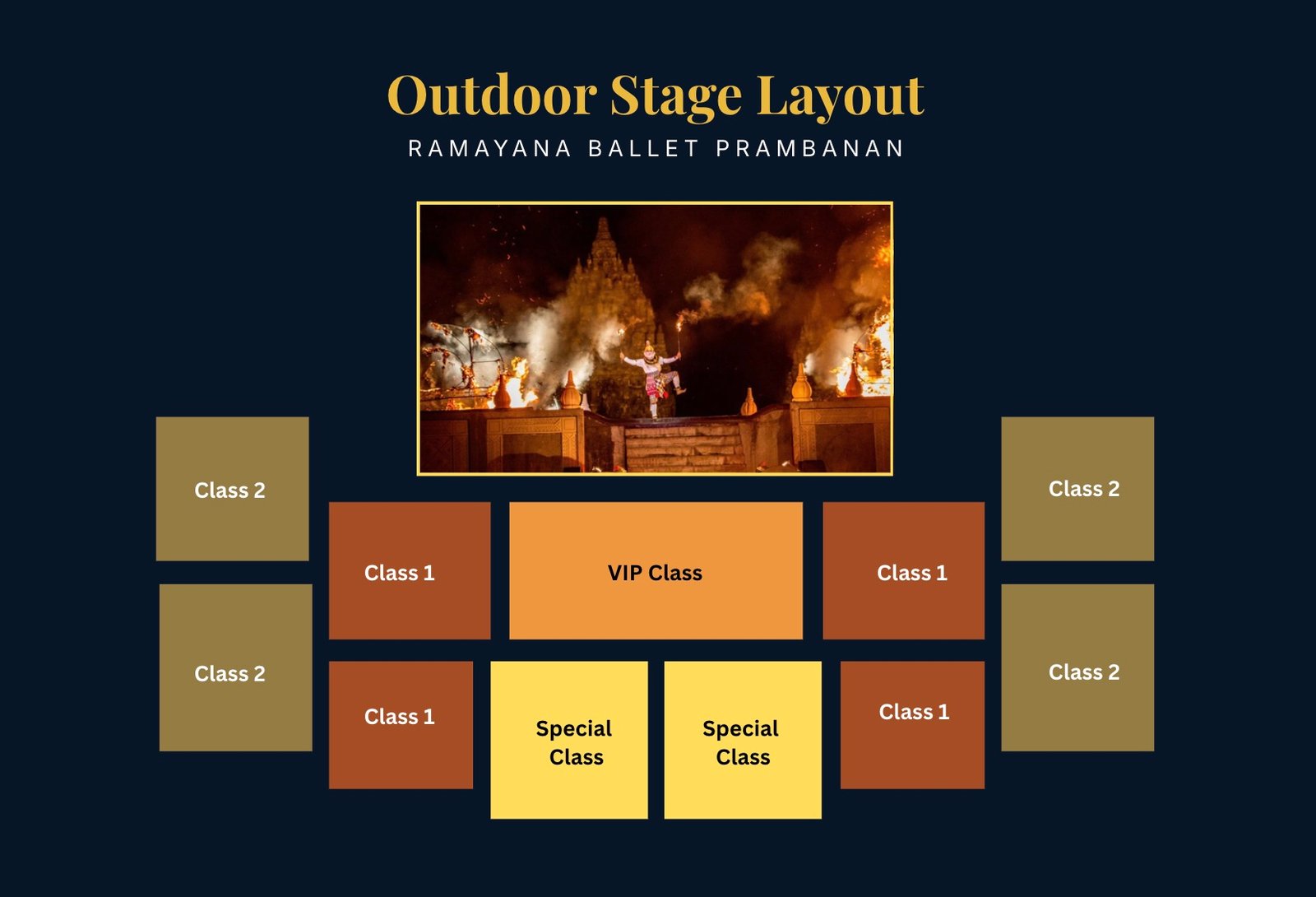
The VIP Class is the premium option, offering the best seats in the house with numbered seating, a soft drink, and a traditional snack. VIP seats are located at the center axis, providing the best angle for viewing the dancers’ facial expressions and symmetry — highly recommended for photographers. However, VIP Class is available only during dry season outdoor performances.
The Special Class offers an excellent elevated view of the entire stage, which is perfect for seeing the intricate formations and the famous “Fire Dance” scene featuring Hanuman. For many visitors, this class represents the best balance of value and experience.
Indoor Performance Ticket Prices
| CLASS | WEEKDAY | WEEKEND | INCLUDES |
|---|
| Class 2 | Rp 165.000 | Rp 165.000 | Numbered seating |
| Class 1 | Rp 220.000 | Rp 275.000 | Numbered seating |
| Special Class | Rp 385.000 | Rp 440.000 | Numbered seating, soft drink |
Shinta Obong Ticket Prices (Special Episode)
For the Shinta Obong performance at the Prambanan Riverfront Amphitheatre, tickets cost Rp 330.000 for adults and Rp 225.000 for children up to 10 years old. This includes the dance performance and dinner.
Seating Strategy: How to Choose the Best Seats
Choosing the right seat can make or break your Ramayana Ballet experience. Based on expert recommendations and traveler feedback, here is a comprehensive guide to selecting the best seats for your needs.
For the Best Overall View
The Special Class seats offer the best overall view of both the stage and the Prambanan temple backdrop. These seats are elevated, providing a clear view of the intricate formations of the dancers and the spectacular fire scene.
For Photographers
Photographers should consider upgrading to VIP Class, which places you at the center axis for the best angle of the dancers’ facial expressions and symmetry.
For Budget-Conscious Travelers
Class 1 offers a reasonable compromise between price and view quality. Class 2 should be avoided if possible, as the side-view seating can be partially obstructed.
Arrive 30–45 minutes before the performance. The gates typically open at 6:30 PM — giving you time to take photos with the costumed performers who gather near the entrance gate.
🪑 CUSHION REMINDER
For Class 1 and Class 2, it is advisable to bring a cushion, as the stone seating can become uncomfortable during the two-hour performance. VIP and Special Class seats are cushioned and more comfortable.
Getting There: Transportation Options
Reaching the Prambanan Temple complex is relatively straightforward, but the late finish of the performance means you need to plan your return journey carefully.
Private Car or Ride-Hailing Service
The most convenient option is a private car or ride-hailing service such as Grab or GoCar. The journey from central Yogyakarta takes approximately 30–45 minutes, depending on traffic.
To make your trip completely hassle-free, ramayanaballet.com offers all-inclusive tour packages that include hotel pickup, dinner, show tickets, and return transfers. This is the ideal option, particularly for international visitors who may not be familiar with local transportation.
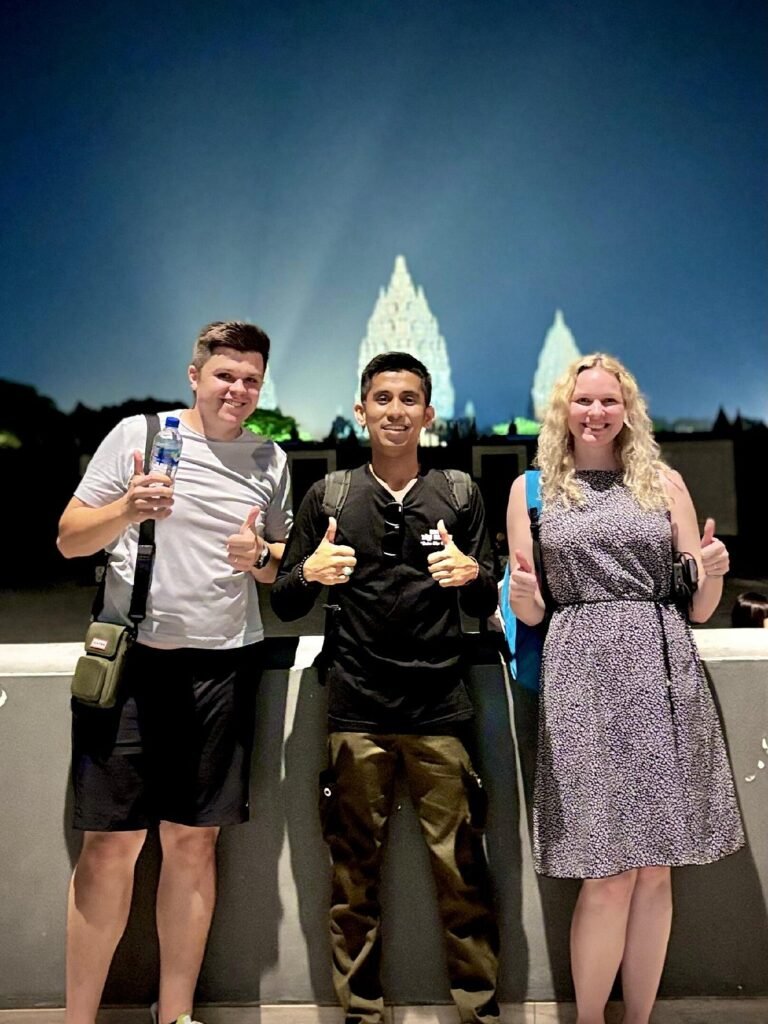
Let the our team at Ramayanaballet.com handle everything for you! From seamless hotel pickups and VIP tickets to delicious dinners and safe return transfers, we’ve got your entire cultural journey covered. Check this out.
Public Transportation
For budget-conscious travelers, the Trans Jogja bus system offers an affordable option. Routes 1A or 1B will take you directly to the Prambanan stop. However, please note that regular bus services typically end before evening events like the Ramayana Ballet conclude.
As a convenient alternative, you can take the KRL Commuterline train from Yogyakarta Station (Tugu) and get off at Brambanan Station (frequently referred to as Prambanan). From there, the temple is only about a 5-minute local car or ojek (ride-hailing) ride away. Because performances finish late at night, be sure to plan your return trip ahead of time, using ride-hailing services like Grab or GoCar for a safe and flexible journey back to the city center.
From the Yogyakarta International Airport
Prambanan is located 63,4 km from Yogyakarta International Airport (YIA), with a travel time of approximately 1.5 to 2 hours by road. Since it sits on the opposite side of Yogyakarta city from the airport, several common transportation alternatives are frequently used by travelers:
- Airport Taxi / Private Car Rental: The most hassle-free and direct option, especially if you have heavy luggage. You can easily book an official airport taxi (such as Damri or Grab Airport) or arrange a private car rental upon arrival.
- Ride-Hailing Apps (Grab / GoCar): Very popular and convenient, though drivers sometimes pick up passengers from designated zones just outside the terminal area.
- Train + Local Transport (KRL Commuterline): For a budget-friendly route, take the airport train (YIA Xpress) from the airport to Yogyakarta Station (Tugu), switch to the KRL Commuterline train heading to Solo, and get off at Brambanan Station, followed by a short local ride to the temple.
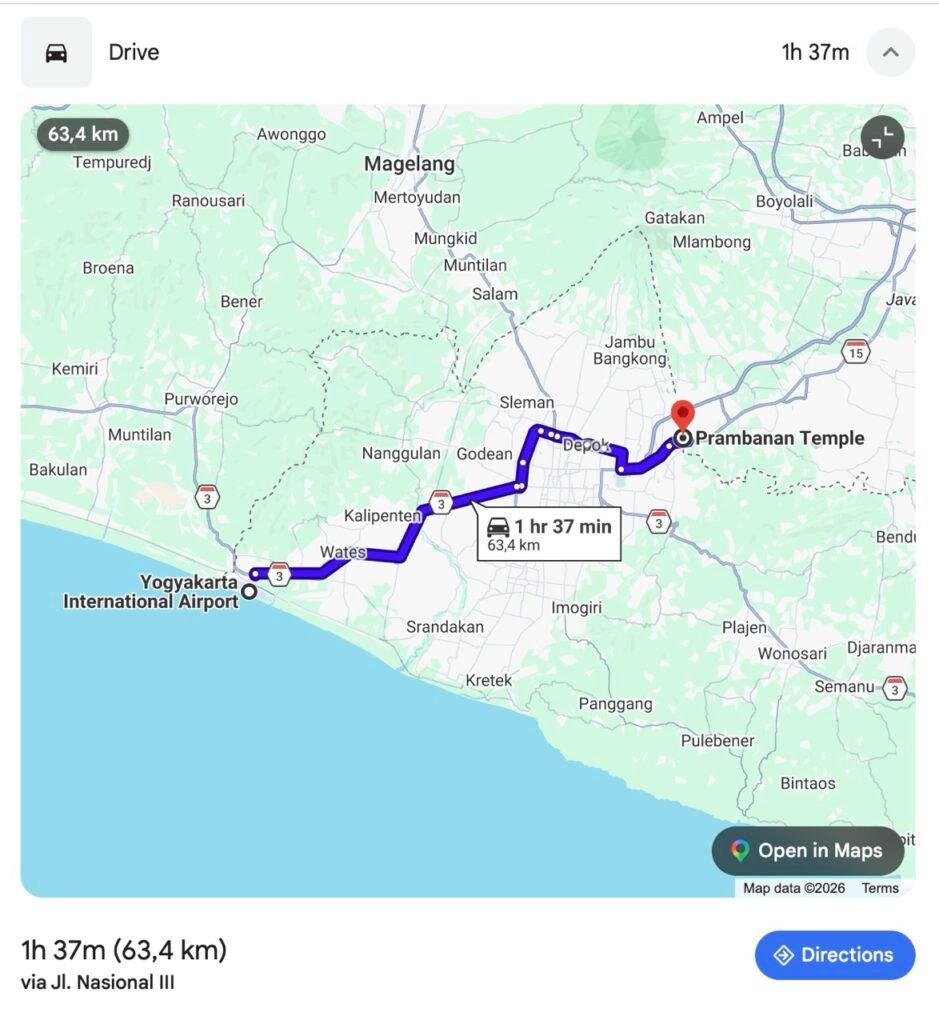
Distance from Yogyakarta Airport to Prambanan Temple
Insider Tips for an Unforgettable Experience
Read the Story Before You Go
Because the performance has no dialogue, reading the full Ramayana story before the show is highly recommended. You won’t have time to read the synopsis during the performance — you’ll want your eyes on the stage.
What to Bring
Evening temperatures in Yogyakarta are generally pleasant, but they can feel cool when the wind blows. Bring a light jacket or shawl. Photography is allowed during the performance (without flash), and you can meet the costumed performers before the show for photos.
Dining Before the Show
There are several dining options near the venue. Rama Shinta Garden Resto is located within the theatre complex and offers a buffet-style dinner with views of Prambanan. Alternatively, K-Space, a restaurant with a rooftop terrace just outside the complex, serves delicious food at fair prices.
Accessibility Considerations
It is important to note that the Ramayana Ballet at Prambanan is not wheelchair-accessible. The theatre has toilets available on-site, and there is a 20-minute interval during the show.
Book in Advance !!!
Booking tickets in advance is strongly recommended, particularly during peak season (July, August, and December) when the open-air theatre fills up quickly.
Why the Ramayana Ballet Matters
The Ramayana Ballet Prambanan is more than just a tourist attraction — it is a vital expression of Indonesia’s cultural heritage. The performance serves as a way to preserve Javanese culture, specifically the Hindu epic Ramayana, which is depicted in the reliefs of the Shiva Temple at Prambanan.
The performance also plays an important role in the local economy, providing employment for hundreds of dancers, musicians, and support staff. Many of the performers have trained for years in classical Javanese dance, and their dedication to their craft is evident in every movement.
For international visitors, the Ramayana Ballet offers a unique opportunity to engage with Indonesian culture in a way that is both accessible and deeply moving. As one traveler described it, “This was an amazing day that I will remember for the rest of my life.”
An Evening You Will Never Forget
The Ramayana Ballet Prambanan is not simply a performance — it is an experience that engages all the senses and leaves a lasting impression. From the moment the gamelan music begins to the final, dramatic scene of Shinta emerging unscathed from the fire, you are transported to a world where ancient legends come alive through the artistry of Javanese dance.
Whether you choose the premium VIP seats for the best view, the Special Class for the perfect balance of comfort and perspective, or the more affordable Class 1 for a budget-friendly experience, you will be treated to a spectacle that has captivated audiences for over six decades.
As you plan your trip to Yogyakarta in 2026, make sure the Ramayana Ballet is at the top of your itinerary. Book your tickets early, arrive with time to spare, and prepare to be swept away by an epic tale of love, loyalty, and the triumph of good over evil. It is an evening that will stay with you long after the final curtain falls.
The Ramayana Ballet Prambanan is not just a show — it is a living tradition that has captivated audiences for over six decades.