Prambanan vs Borobudur: Which Temple Should You Visit First?
Two UNESCO temples, two different moods, and one practical question: if you only have a day or two in Yogyakarta, which one comes first?
Prambanan and Borobudur are not two versions of the same visit. Borobudur is a Buddhist monument best seen in the cool early morning; Prambanan is a Hindu temple complex that comes alive in the late afternoon and leads naturally into the Ramayana Ballet.
If you have time for both, the order is usually Borobudur first, Prambanan second. If you only have one slot, the decision is less about “which is better” and more about the experience you want: a quiet sunrise among stupas, or a golden-hour temple followed by a dance-drama.
The short answer
| Borobudur | Prambanan | |
|---|---|---|
| Best time | Early morning, especially sunrise | Late afternoon, through sunset |
| Character | Buddhist mandala, stupas, terraces | Hindu temple complex, towering spires, Ramayana reliefs |
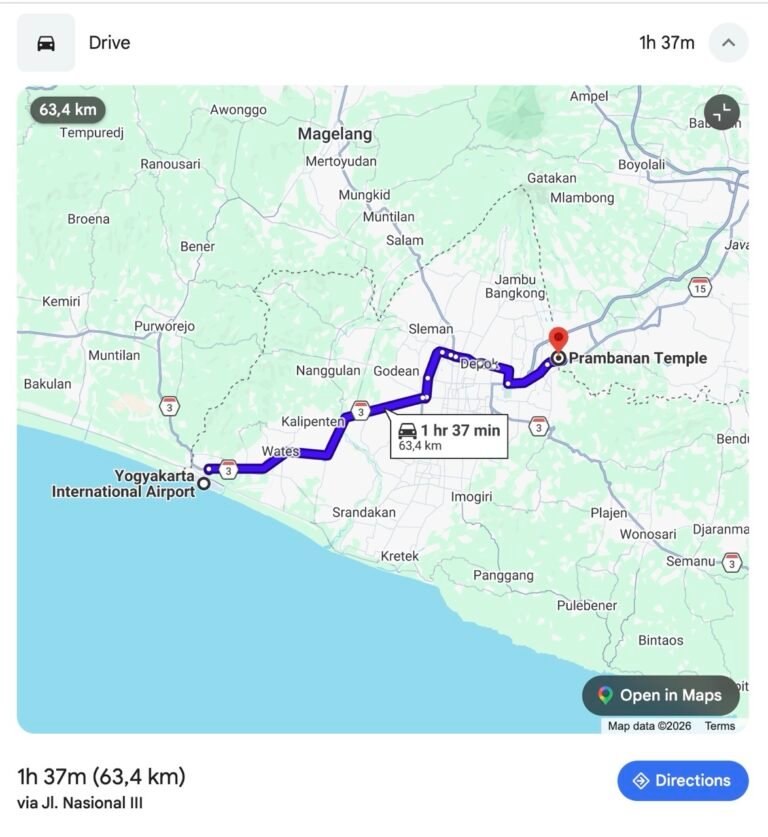
| From Yogyakarta | Roughly 1–1.5 hours northwest | Roughly 30–45 minutes east |
| Time needed | About 2 hours | About 1.5–2 hours, plus dinner and the show |
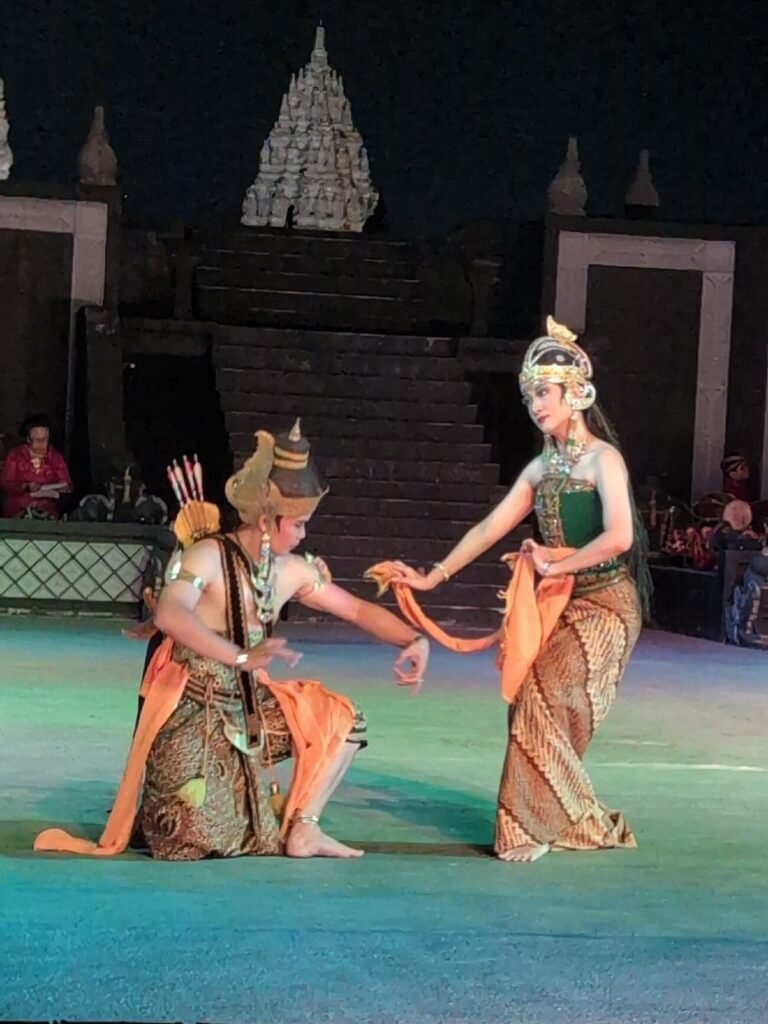
| Evening add-on | Not really; the site is a morning visit | Ramayana Ballet, usually 19:30 |
How they differ
Borobudur is a single monumental structure: a stepped mandala of terraces, stupas and relief panels. You walk upward, circle the levels, and look out over the Kedu plain. The experience is quiet, horizontal and contemplative — especially before the day crowds arrive.
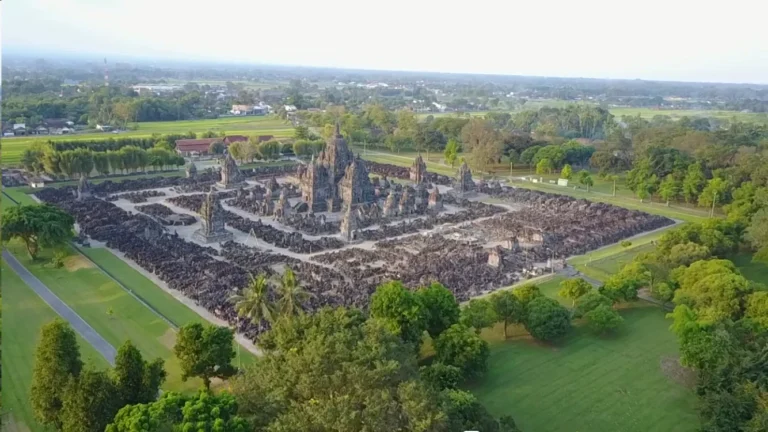
Prambanan is a complex of temples rather than one building. The three main spires dedicated to Shiva, Vishnu and Brahma dominate the skyline, and the Ramayana reliefs run along the galleries. It is a place to walk between structures, look up, and then sit down for a performance in the evening.
That is why the “which is better?” question misses the point. They serve different parts of a trip. Borobudur is the early-morning anchor; Prambanan is the evening anchor.
Borobudur in the morning
Borobudur rewards an early start. The site is cooler before 08:00, the light is soft, and the terraces are quieter than they will be later in the day. Sunrise access is managed separately from a normal daytime ticket, so confirm the current rules before you plan around it.
Allow about two hours from arrival to departure. That includes the walk from the entrance, the terraces, and a short pause to look out over the plain. If you are photographing or reading the reliefs, add another 30 minutes.
Guests often mention the early pickup, the cool air and the guide who explains the panels before the crowds arrive. Drivers are also described as patient with older travellers and families at that hour — a small detail, but it matters when the pickup is still dark.
One practical note: the walk from the car park to the monument is part of the visit, not a quick drop-off. Wear shoes with grip, carry water, and leave the tripod in the car unless you have checked the current photography rules.
Prambanan in the evening
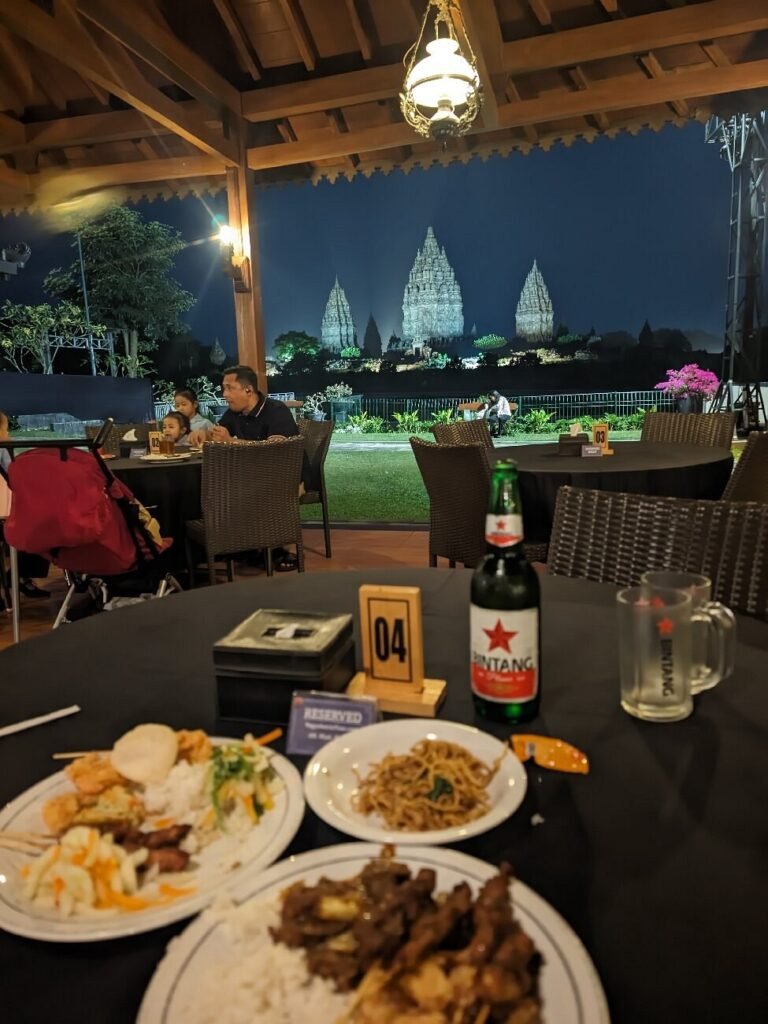
Prambanan is at its best in the last hour of daylight. The stone turns gold, the temperature drops, and the day-trippers begin to leave. The Ramayana reliefs are easier to read in this light, and the three main temples make a natural backdrop for photos.
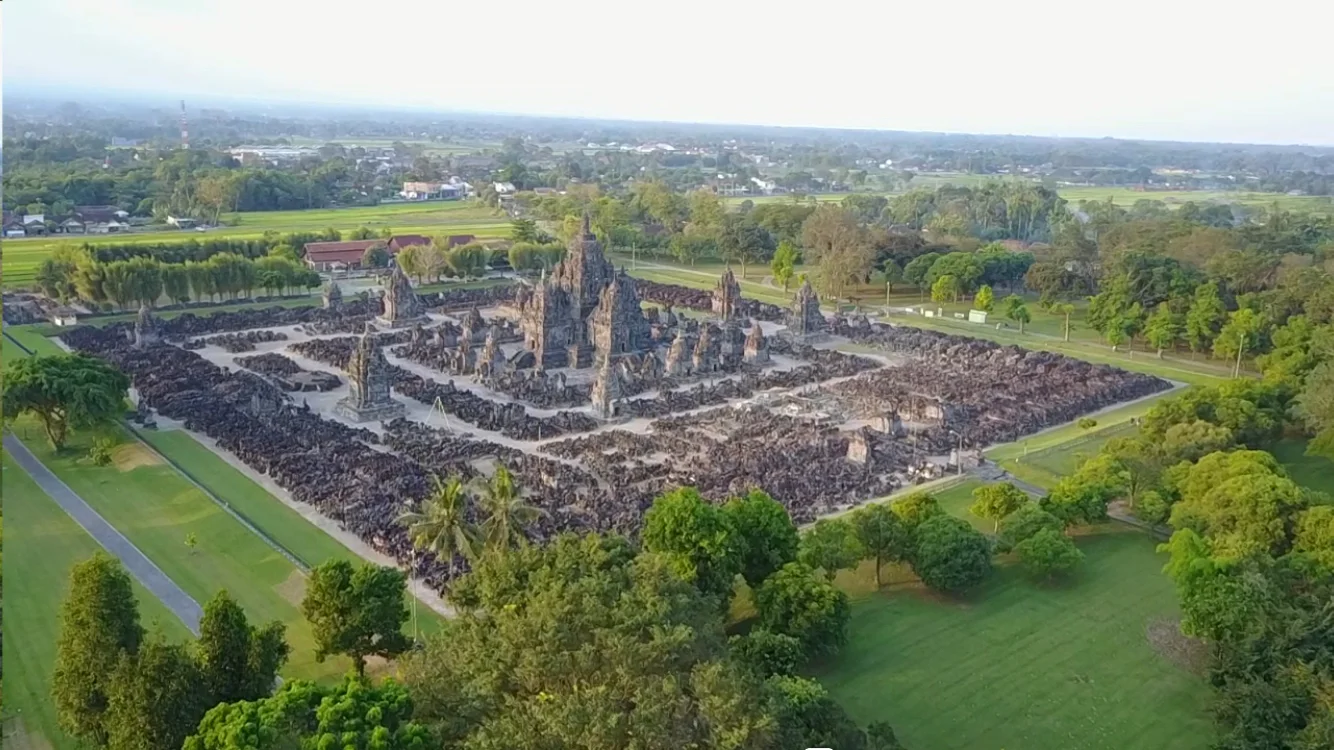
Give yourself at least 1.5 hours on site before sunset. Walk the main courtyard, look at the reliefs, and make time for Sewu, the Buddhist temple compound nearby. For the timing, viewpoints and dinner sequence, see the Prambanan sunset guide. Guests often mention the colours on Sewu during golden hour as one of the best parts of the visit — it is quieter than the main complex and gives you a different silhouette.
Some guests have found a 16:00 start a little tight before a 17:30 sunset. If you want an unhurried visit, start closer to 15:30. Also agree on a meeting point with your driver: the walk back to the car park is longer than it looks, and the route is not always obvious after dark.
Which one first?
If you arrive in Yogyakarta around midday, do Prambanan first: sunset, dinner and the ballet fit neatly into the evening, and you can visit Borobudur the next morning with a fresh start.
If you have one full day and want both, do Borobudur sunrise, a long rest, then Prambanan sunset. It is a long day, but the break in the middle makes it work. Our Borobudur + Prambanan one-day guide covers that version in detail.
For photographers, the choice is mostly about light: Borobudur offers soft morning haze and a geometric silhouette, while Prambanan gives you warm stone, long shadows and the illuminated temples after dark. Both are crowded at peak times, so patience matters more than the camera.
For the transfer options between the two sites, see how to get to Prambanan from Yogyakarta.
If you only have one temple slot, choose by mood:
- Borobudur for Buddhist architecture, sunrise and a quieter morning.
- Prambanan for Hindu temples, sunset and the Ramayana Ballet.
- Families with young children often find Prambanan easier: the visit is shorter and the evening show is seated.
- Older travellers or anyone who dislikes dark early starts may prefer Prambanan and skip the sunrise.
Tickets and sold-out dates
Borobudur entry, Prambanan entry and the Ramayana Ballet are separate products. Borobudur sunrise access is limited, and Ramayana VIP seats can sell out weeks ahead. A normal daytime ticket is not the same as sunrise access, and a Prambanan temple ticket does not include the performance.
We buy early and work with the ticket provider, so we can often secure seats as part of a package when public inventory looks empty. Availability is confirmed case by case before payment; it is not a guarantee until you receive confirmation.
If the official page shows sold out, ask us before changing your dates. Guests have described joining a tour when the public allocation looked gone; that is package allocation, and it is exactly why we do not ask you to chase the ticket page alone.
Our Borobudur + Prambanan + dinner package combines both temples and the show; the no-dinner version leaves dinner flexible. For the show only, see the schedule and seating guide.
Can you do both in one day?
Yes, but treat it as two shifts: a pre-dawn visit to Borobudur and a late-afternoon visit to Prambanan, with several hours of rest in between. Without the rest, you arrive at the ballet already tired and the day feels like a race.
The order matters less than the gap. If the show is on Tuesday, Thursday or Saturday, build the day around that fixed point. If you are visiting in the rainy season, keep the evening flexible; the performance may move indoors.
For a slower trip, split the temples across two days and add one city or volcano day. The three-day itinerary shows how that fits together.
A two-day version that does not feel rushed
If you have two days, give each temple its own half of the day. On Day 1, visit Prambanan in the late afternoon, stay for sunset, have dinner and watch the Ramayana Ballet. On Day 2, start early for Borobudur, return for breakfast, and keep the rest of the day light.
The reverse also works: Borobudur sunrise on Day 1, then Prambanan and the ballet on Day 2. Choose the order that matches the show schedule, not the other way around.
Crowds, weather and timing
Borobudur sunrise is popular, and the terraces can feel busy even early. Prambanan is busiest from mid-afternoon until the day-trippers leave; weekends and the July–August high season are noticeably busier. If you want the quietest version of either site, go early or stay late.
In the rainy season, a wet afternoon can make Prambanan cooler and less crowded, but it can also shorten the sunset. The Ramayana Ballet usually moves indoors from November to April, so the evening is less weather-dependent than the temple visit. In the dry season, the outdoor show is the default, and the temple grounds can be hot until the sun drops.
What to bring
Wear shoes with grip for both sites. Bring water, a light layer for the early start, and a rain jacket in the wet season. Dress respectfully — covered shoulders and knees are a safe default. Check the current photography and drone rules before carrying extra equipment, especially at Borobudur.
If you are visiting both in one day, pack light. You will be getting in and out of the car, walking on uneven stone, and sitting through a 90-minute performance; a heavy day bag makes all three less pleasant.
FAQ
Which is better, Prambanan or Borobudur?
Neither is universally better. Borobudur is a Buddhist monument best at sunrise; Prambanan is a Hindu temple complex best in the late afternoon with the Ramayana Ballet.
Which should I visit first?
If you arrive around midday, do Prambanan first and Borobudur the next morning. If you have a full day, start with Borobudur sunrise and finish at Prambanan.
Can I see both in one day?
Yes, with a pre-dawn start, a long afternoon rest and a private car. It is a long day, not a relaxed one.
Is Borobudur sunrise worth it?
If you value quiet light and cooler air, yes. If the early start is difficult, a later morning visit still works, with more crowds and heat.
Do I need a guide?
Not required, but a guide makes the reliefs and the Ramayana story much easier to follow. It is especially useful at Prambanan before the ballet.
What if tickets are sold out?
Ask us before changing your dates. Sunrise and VIP seats are limited, and package allocation may still be available; confirmation is required.
See both without the guesswork
Tell us your dates and hotel area. We will check the sunrise allocation, the show schedule and the seat class before you pay.
References
- UNESCO World Heritage Centre — Borobudur Temple Compounds.
- UNESCO World Heritage Centre — Prambanan Temple Compounds.
- InJourney — Borobudur ticket reference.
- InJourney — official Ramayana Ballet schedule reference.
- TripAdvisor — public guest reviews of Prambanan and Ramayana Ballet tours.