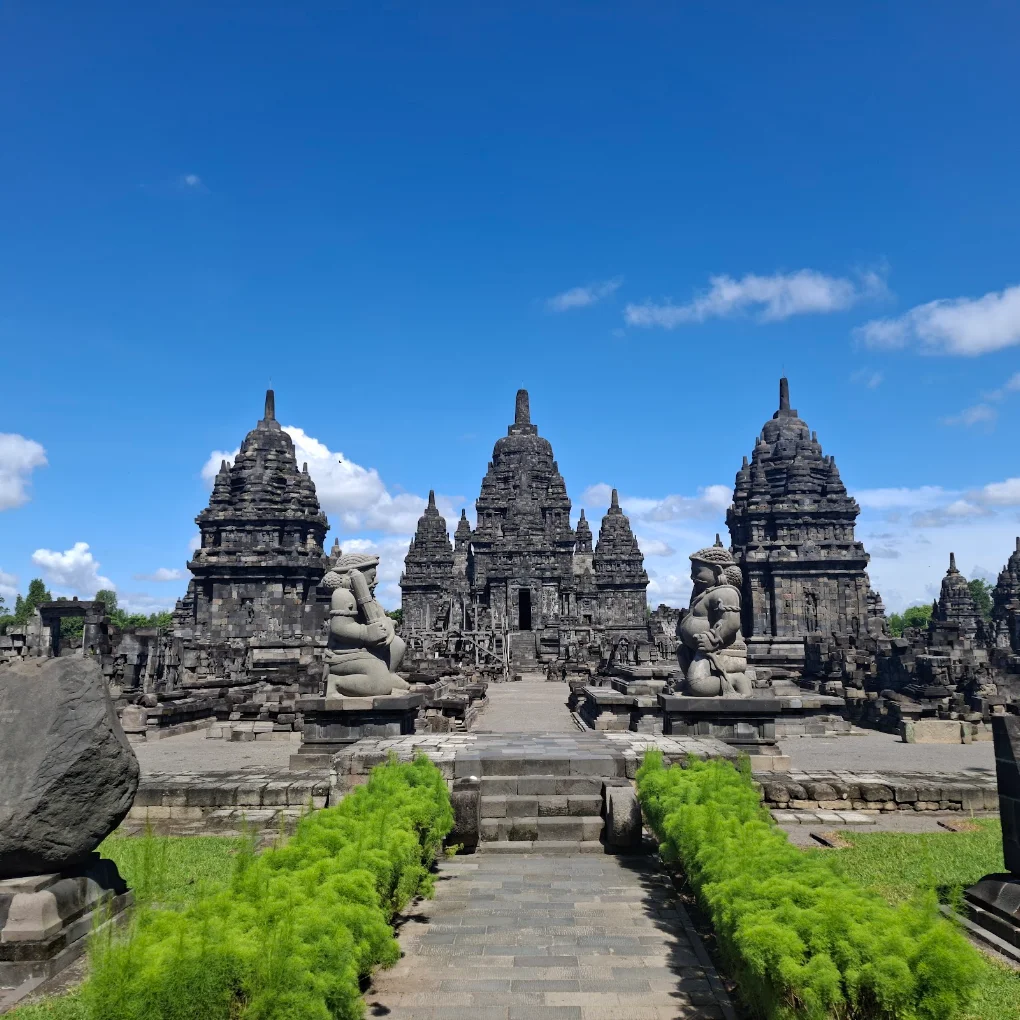
Is Yogyakarta Worth Visiting? An Honest Look
It is one of the best culture trips in Southeast Asia — and a poor choice for a beach holiday. Here is the honest version, including what may disappoint you.
Yes, Yogyakarta is worth visiting — if you are coming for temples, culture and food. It is not a beach destination, it is not a nightlife city, and it is not a place to rush.
The honest answer depends on the trip you want. Yogyakarta rewards curiosity and patience. It frustrates travellers who want a resort, a beach and a late-night bar scene in the same trip.
The short answer
| If you want… | Yogyakarta delivers? | Notes |
|---|---|---|
| UNESCO temples | Yes | Borobudur and Prambanan are both here, within a day of each other. |
| Live culture | Yes | The Ramayana Ballet is the standout; the city has a strong arts scene. |
| Beaches | Not really | The south coast is a day trip, not a beach-holiday base. |
| Nightlife | Limited | This is a culture-and-food city, not a party city. |
| Budget travel | Yes | Food, transport and entry costs are generally reasonable. |
| A relaxed resort holiday | Not the main draw | There are good hotels, but the city is the point. |
What makes it worth it
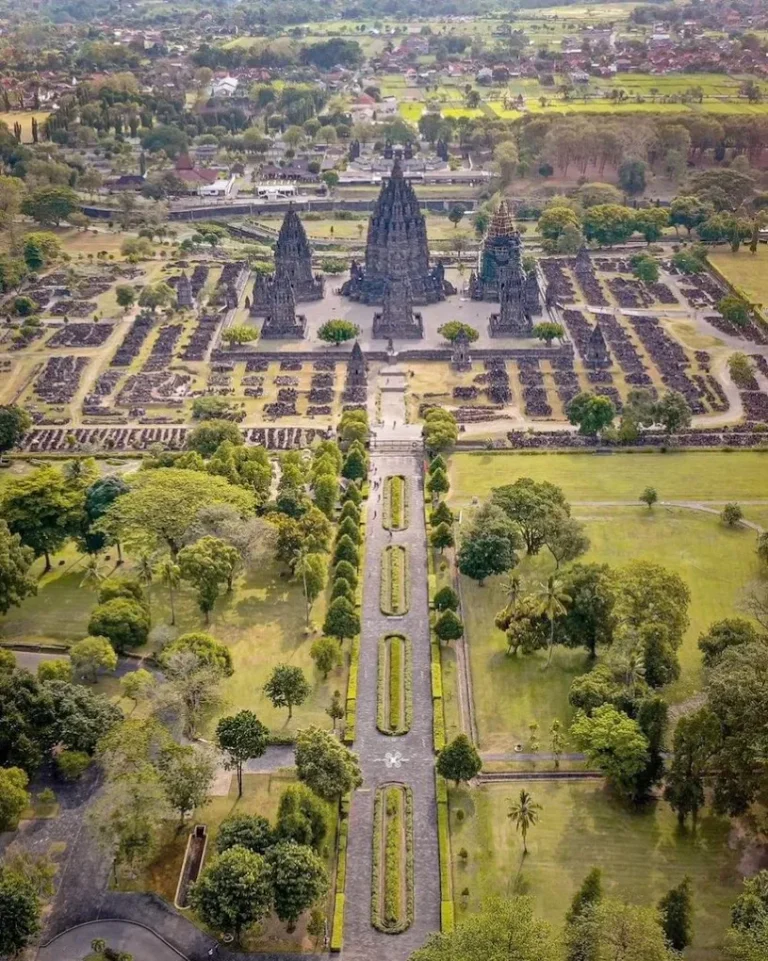
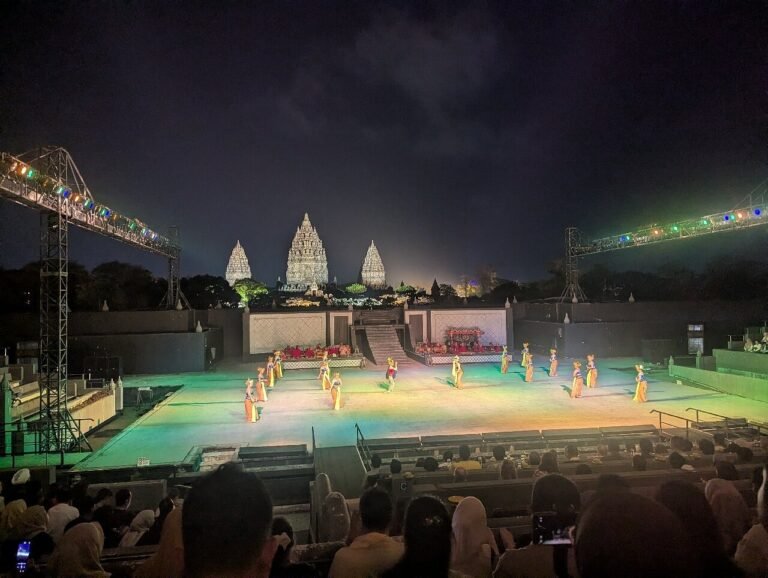
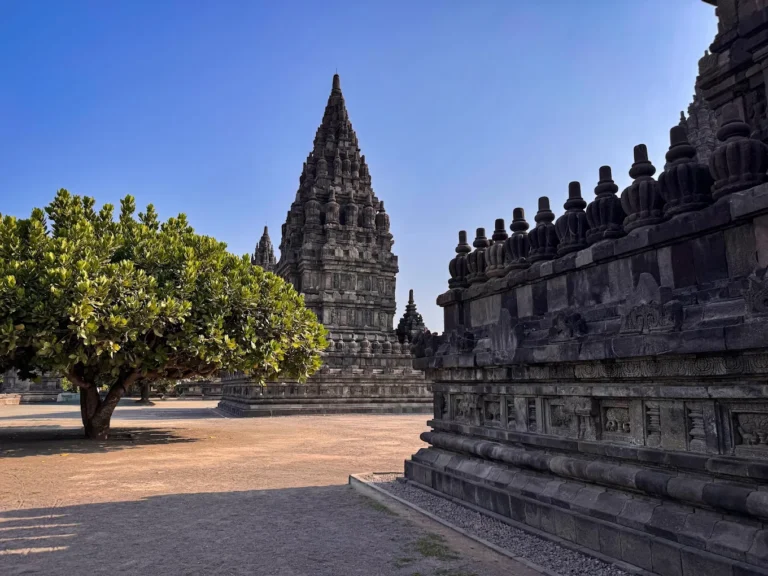
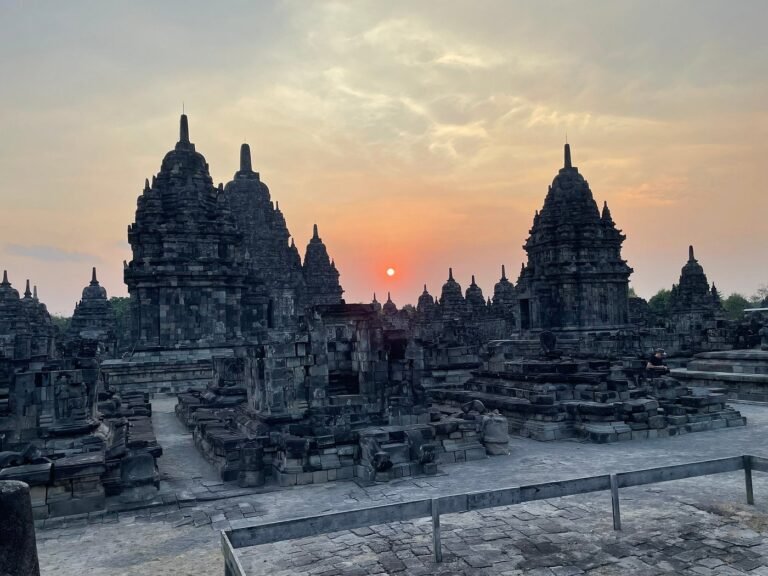
The temples are not a side note. Borobudur is the largest Buddhist monument in the world, and Prambanan is one of the great Hindu temple complexes of Southeast Asia. Seeing both in one trip is unusual; seeing Prambanan at sunset and then watching the Ramayana Ballet in the same evening is the kind of night you remember.
The culture is alive, not staged for tourists. The ballet has been performed since 1961, with a live gamelan orchestra and a large cast. The city has batik workshops, the Kraton, Tamansari and a real food culture. You are not visiting a theme park. If you want the full evening handled, the Prambanan sunset + dinner package combines the temple, dinner and the show.
It is affordable. Compared with Bali or Singapore, Yogyakarta is gentle on the budget: local food, inexpensive transport and reasonably priced entry tickets. You can travel well without spending a lot.
It is a good base for a short cultural trip. Three days covers the essentials; four or five adds the volcano, the coast or the smaller temples. The trip-length guide explains the trade-offs.
What may disappoint you
Traffic and heat. The city is not compact in a car at 17:00. The sun is strong, the humidity is high, and a temple visit in the middle of the day can be uncomfortable. Plan around mornings and late afternoons.
Tourist pressure at the icons. Borobudur and Prambanan are popular. Sunrise and sunset help, but they do not make the crowds disappear. July, August and December are the busiest.
No beach holiday. The south coast is beautiful in places, but it is a long drive from the city and not a resort strip. If you want a beach, add Bali or Lombok rather than forcing it here.
Limited nightlife. There are bars and cafes, but this is not Bangkok or Bali. The best evenings are cultural: the ballet, dinner with a view, Malioboro.
Rain in the wet season. From November to April, afternoon storms can change the plan. The ballet usually moves indoors, but the temple day is less predictable. The best-time guide covers the monthly pattern.
Who should go — and who should not
Go if you are:
- a first-time visitor to Indonesia who wants culture, not just beaches;
- interested in history, architecture, dance or photography;
- travelling on a mid-range or budget budget;
- willing to start early for Borobudur and stay out late for the ballet;
- happy with three or four days of temples, food and city walks.
Skip it — or shorten it — if you are:
- looking for a beach resort holiday;
- travelling mainly for nightlife;
- unable to handle heat, traffic and early starts;
- trying to add Bromo and Ijen to a three-day trip;
- expecting a quiet, empty temple experience at midday in peak season.
How many days
Three days is the standard first trip: Borobudur, Prambanan, the ballet and one city or volcano day. Four days adds a coast, cave or slow city day. Five days is for a slower pace and the smaller temples.
The 3-day itinerary is the place to start. If you have less time, the 2-day version covers the icons but not much else. If you have more, the 4-day and 5-day plans show what to add.
For the show itself, check the schedule and the seating guide. The ballet is the one thing I would move dates for. If you want both temples and the show in one booking, the Borobudur + Prambanan + dinner package is the efficient version.
What a first trip actually feels like
Most first-time visitors arrive expecting a small temple town and find a busy city of several hundred thousand people. The first afternoon is usually Malioboro: traffic, street food, batik shops and a lot of noise. It is not the postcard; it is the city.
The second day is the one people remember. You leave before dawn for Borobudur, come back for a rest, then go out to Prambanan for sunset, dinner and the ballet. It is a long day, but it is the reason to come.
By the third day, the pace should slow down: Merapi, the Sultan Palace, or simply a long lunch. If you try to add the coast and a cave to the same three days, the trip stops being enjoyable. That is the honest trade-off.
FAQ
Is Yogyakarta worth visiting?
Yes, for temples, culture, food and the Ramayana Ballet. It is less compelling if you want a beach or nightlife holiday.
Is Yogyakarta better than Bali?
They are different trips. Yogyakarta is stronger for temples and Javanese culture; Bali is stronger for beaches, resorts and nightlife.
How many days do I need?
Three days for the essentials; four or five for a slower trip with the coast, a cave or the smaller temples.
Is Yogyakarta safe?
It is generally a friendly city. Use normal precautions with traffic, belongings and late-night transport.
Is it worth it in the rainy season?
Yes, if you accept afternoon rain and the indoor show. It is quieter and greener, but the temple days need flexibility.
What is the one thing I should not miss?
The Ramayana Ballet at Prambanan. It is the experience that makes Yogyakarta different from another temple stop.
Decide with local eyes
Tell us what you want from the trip — culture, photography, food, a volcano or a slow few days. We will tell you honestly whether Yogyakarta fits.
References
- UNESCO World Heritage Centre — Borobudur Temple Compounds.
- UNESCO World Heritage Centre — Prambanan Temple Compounds.
- InJourney — official Ramayana Ballet schedule reference.
- Visiting Jogja — Yogyakarta tourism information.
- TripAdvisor — public guest reviews of Prambanan and Ramayana Ballet tours.